Dental Sealants in Scotch Plains, NJ

If you have ever heard that sealants are “just for kids,” you are in good company, and plenty of adults skip them for that reason. But molars are rough and uneven, and their deep grooves are a favorite hiding place for leftover food and cavity-causing bacteria. Dental sealants cover those grooves so decay has a much harder time getting started.
At Kind Dental in Scotch Plains, NJ, we see sealants as one small, smart piece of preventive dentistry. Our practice is built around protecting the natural teeth you already have, and we like to offer options that keep problems from starting in the first place. If you would rather prevent a cavity than repair one, sealants are worth a conversation.
What Sealants Do for Your Back Teeth
A sealant is a thin, protective coating made from plastic or other dental materials that bonds to the chewing surface of a back tooth. It fills in the grooves so food and bacteria have less room to settle. The American Dental Association explains that sealants are no substitute for brushing and flossing, but they have been shown to reduce the risk of decay by nearly 80% in molars.
Sealants can also help when decay is just beginning. According to the ADA, they may stop the earliest stage of a cavity from becoming a full one, and some are clear, which lets your dentist keep an eye on the tooth underneath.
Who Can Get Sealants?
Both children and adults can benefit from sealants, and the ADA notes the earlier they are placed, the better. First molars arrive around age 6 and second molars around age 12, so sealing them soon after they come in can keep them cavity-free from the start.
If you missed out as a kid, it is not too late. Adults with deep grooves or a history of cavities in their back teeth can be good candidates too. Whether sealants make sense depends on your own teeth, so we look at your mouth first and give you an honest answer, even when the answer is not yet.
Questions Worth Asking About Sealants
Sealants are simple, but it is smart to know what you are agreeing to. These are good questions to bring to your visit:
- Which of my teeth are the best candidates for sealants?
- How long can I expect them to last, and how will they be checked?
- Can a sealant go over a spot just starting to decay?
- Will my dental plan help with the cost?
We are glad to talk through every one of these with your own teeth in front of us. Sealants work best alongside daily brushing, cleaning between your teeth, and regular checkups, and we will help you build that routine around your schedule, so it feels doable rather than overwhelming.
What to Expect at Your Appointment
Your visit starts with an exam and cleaning, where we look closely at your back teeth. We use digital X-rays and a camera that gives a close-up view of your teeth during exams, and we like to show you what we see so you understand each recommendation.
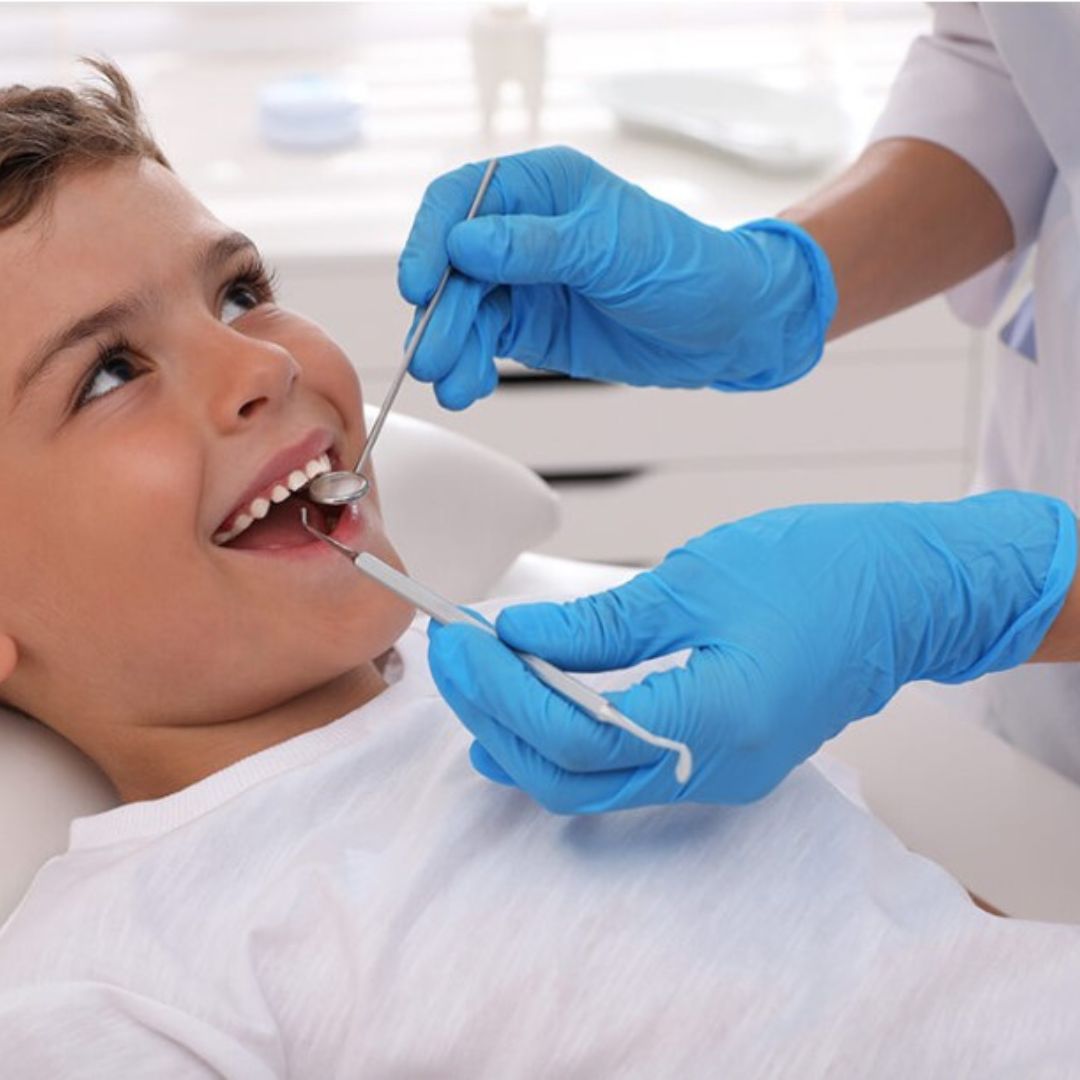
The ADA describes sealant placement as quick and painless. The dentist cleans and dries the tooth, applies a gel that lightly roughens the surface, rinses and dries it again, and then paints on the sealant. A special blue light hardens it, and the process is complete. Because the steps are so straightforward, many people are surprised at how little time a sealant visit asks of them.
Sealants and Fillings Do Different Jobs
Sealants protect teeth, while fillings repair them. If a cavity has already formed and gone deeper than the earliest stage, a dental filling is the right treatment. If the tooth is healthy or the decay is only just starting, a sealant may be all it needs.
That is why a thorough exam matters so much. We would rather catch a problem at the sealant stage than the filling stage, and we always aim to save as much of your natural tooth as possible. When you can see what we see, the choice between the two becomes much easier, and you stay in charge of the decision.
How Long Sealants Last
Sealants often last for several years before they need to be reapplied. At your regular dental visits, your dentist checks the condition of the sealants and can reapply them when needed, so a worn spot does not leave a groove unprotected.
Between visits, the basics still count. Brushing twice a day with fluoride toothpaste, cleaning between your teeth every day, and cutting back on constant snacking all help your sealants and your natural enamel do their jobs.
Using Your Benefits for Sealants
Coverage varies, and the ADA points out some plans do cover sealants, so it is worth calling your benefit company to ask. We accept a handful of PPO dental plans, and we are happy to talk through your insurance and financing questions before you decide.
Protect Your Back Teeth With Kind Dental
Our dentists bring hospital-based training to everyday preventive care. Dr. Kashfia Vohra completed her residency at Mountainside Hospital in Montclair, and Dr. Karishma Chopra completed hers at Hackensack University Medical Center. That experience shapes how our team of dentists approaches every preventive visit.
We also rely on modern digital imaging and technology to make prevention more precise. If you are curious about sealants for yourself, or you would like to ask about them for a younger family member, contact our office and schedule a visit to talk it through.